A useful gift for a startup founder can support the practical work of building a company, from organizing a busy desk to improving a home office.
These nine ideas cover everyday tools, workspace upgrades, and gear for recording or staying connected.
9 Gift Ideas for Startup Founders
Cross Classic Century 23KT Gold Plated Ballpoint Pen

- A slim metal body has sleek flush details and a distinctive look.
- The pen uses a precision swivel-action mechanism.
- It arrives in a premium gift box.
Best Gift For: A founder who likes a polished pen for journaling, note taking, or everyday work.

Clever Fox Planner PRO Light Undated Weekly Planner

- The undated layout lets the owner begin at any time of year.
- It includes a quick-start guide and colorful planning stickers.
- Monthly, weekly, and daily agenda pages help put goals into a routine.
Best Gift For: A founder who wants a flexible planner for shaping goals and weekly priorities.
TP-Link AXE5400 Tri-Band WiFi 6E Router (Archer AXE75)
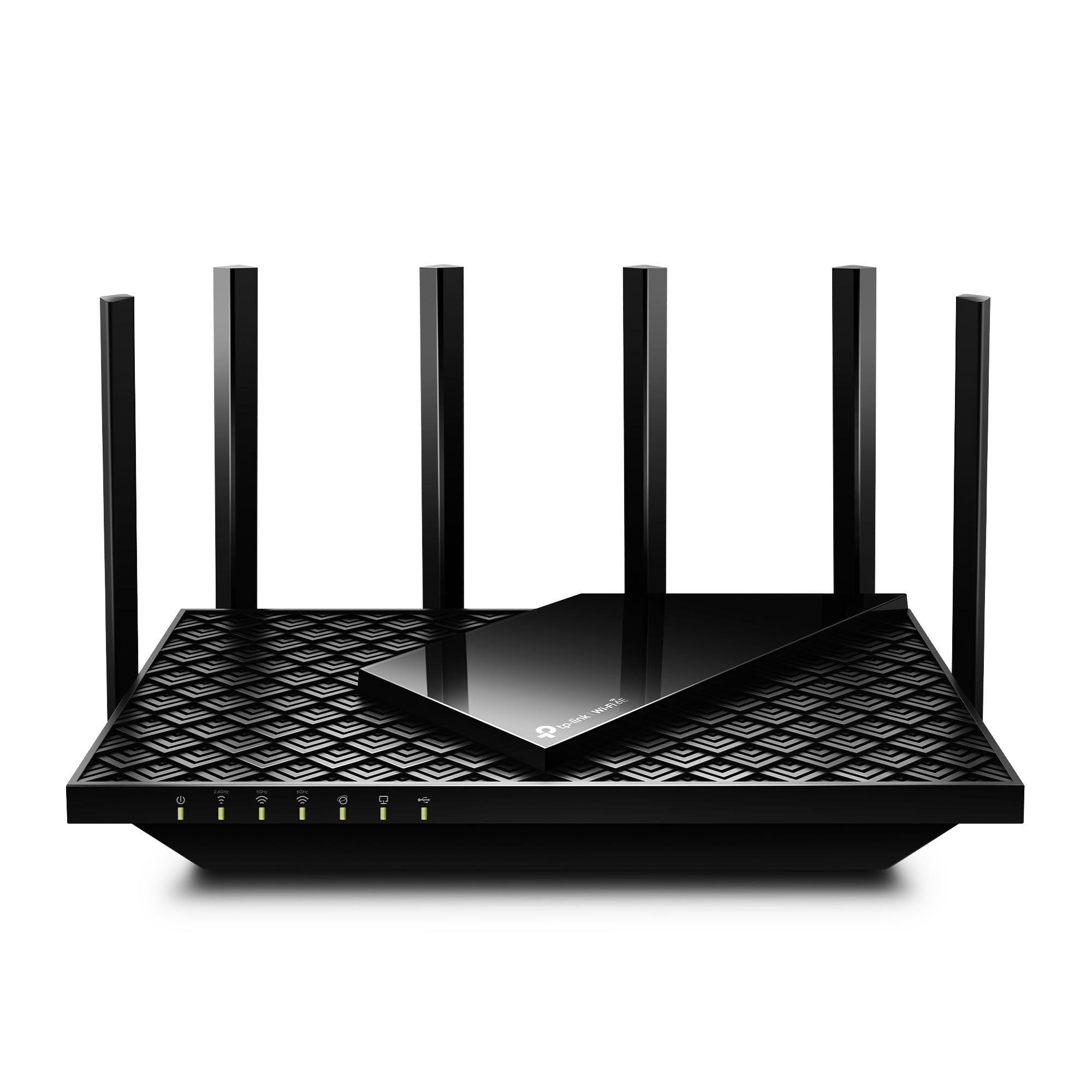
- Tri-band WiFi supports browsing, streaming, gaming, and downloads.
- The 6 GHz band supports more bandwidth and responsive video chatting.
- OneMesh support can connect with a TP-Link OneMesh Extender.
Best Gift For: A founder setting up a home office with multiple devices and video calls.
FIFINE T669 Studio Condenser USB Microphone Kit
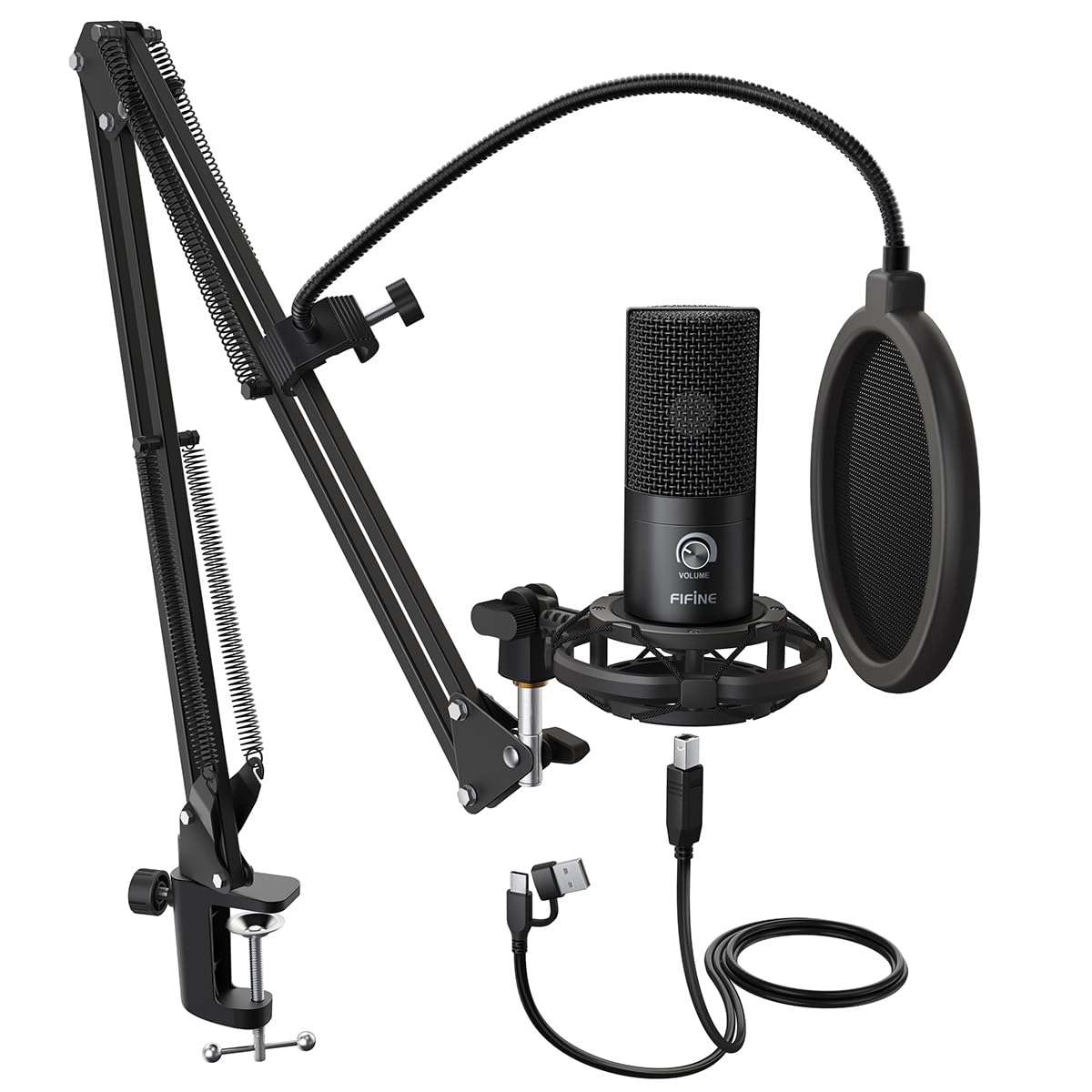
- USB connection provides plug-and-play setup with a PC or laptop.
- The kit includes a desktop boom arm stand and USB cable.
- A double pop filter helps minimize popping sounds.
Best Gift For: A founder recording podcasts, voiceovers, or vocals at a desk.
SteelSeries Arctis Nova Pro Wireless Multi-System Gaming Headset
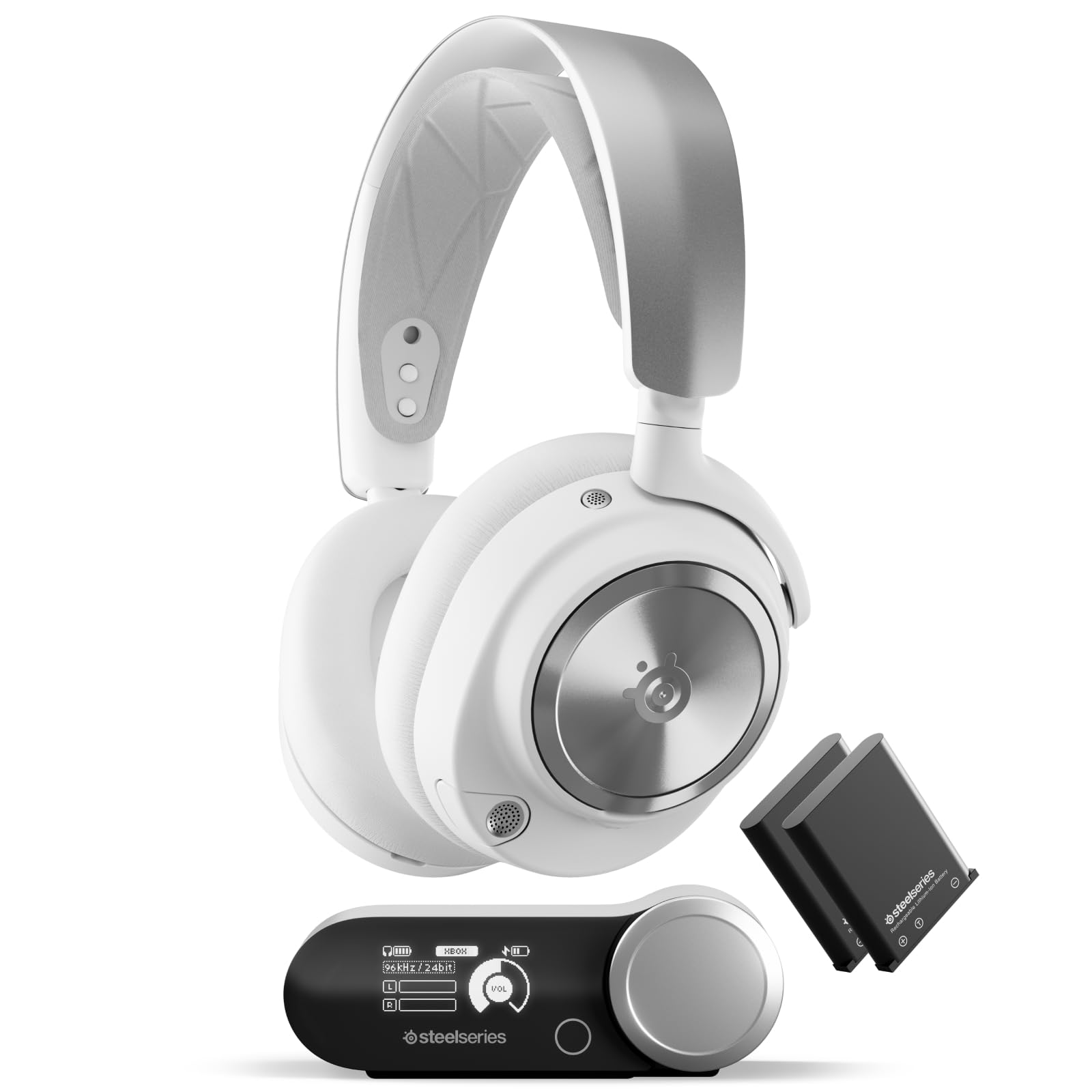
- It can connect to two systems at once and switch among supported platforms.
- Two hot-swappable batteries keep a spare charging in the base station.
- Bluetooth can mix mobile calls or music with game audio.
Best Gift For: A founder who plays games and wants to switch between supported systems or mix phone audio.
Nulaxy Pull-Out Height Adjustable Laptop Stand
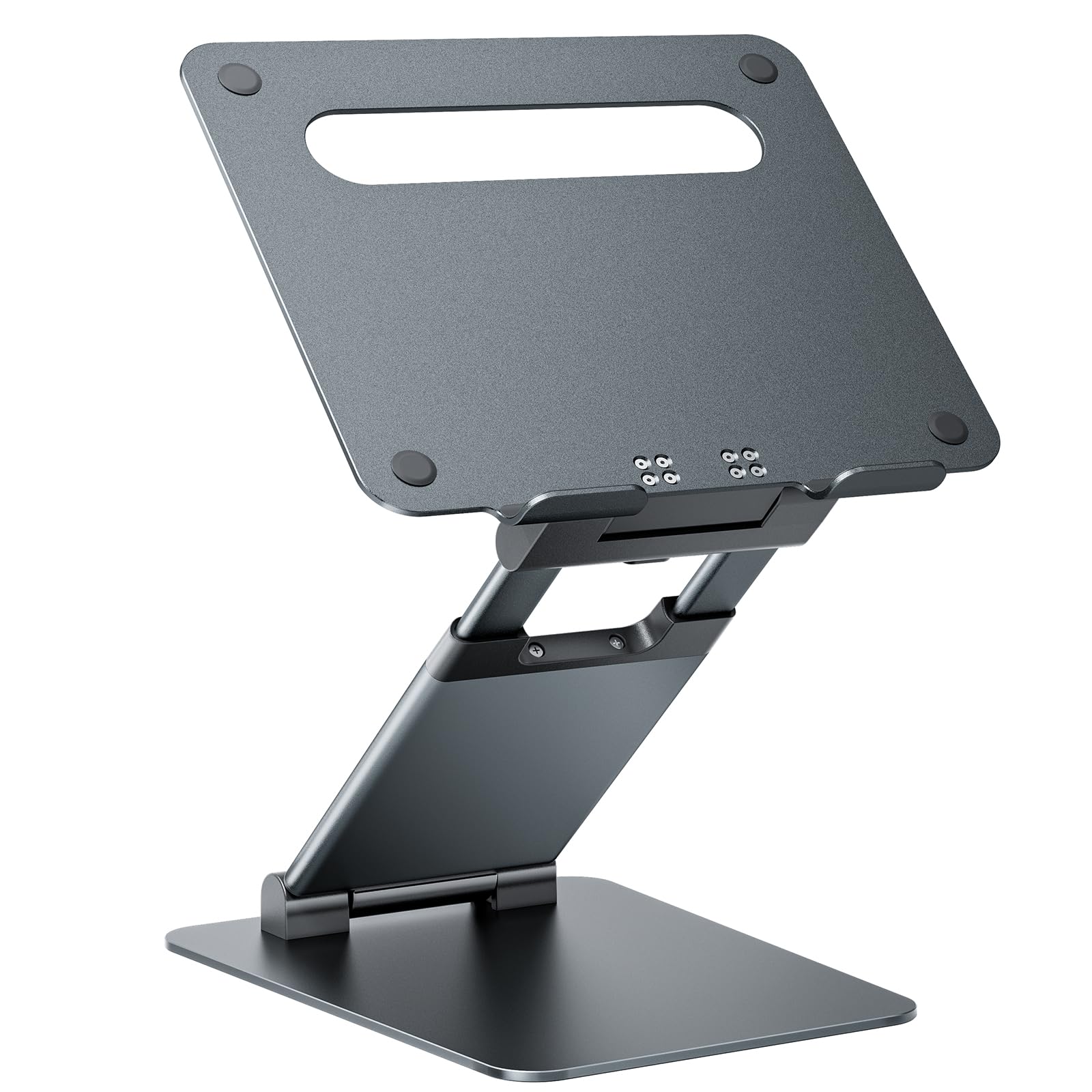
- Height adjusts from 1.2 inches to 20 inches.
- It fits laptop sizes from 10 to 17 inches.
- The stand folds for compact storage at home or in the office.
Best Gift For: A founder who shifts between seated and standing work at a desk.
FLEXISPOT EN1 Electric Adjustable Standing Desk, 48"x24"
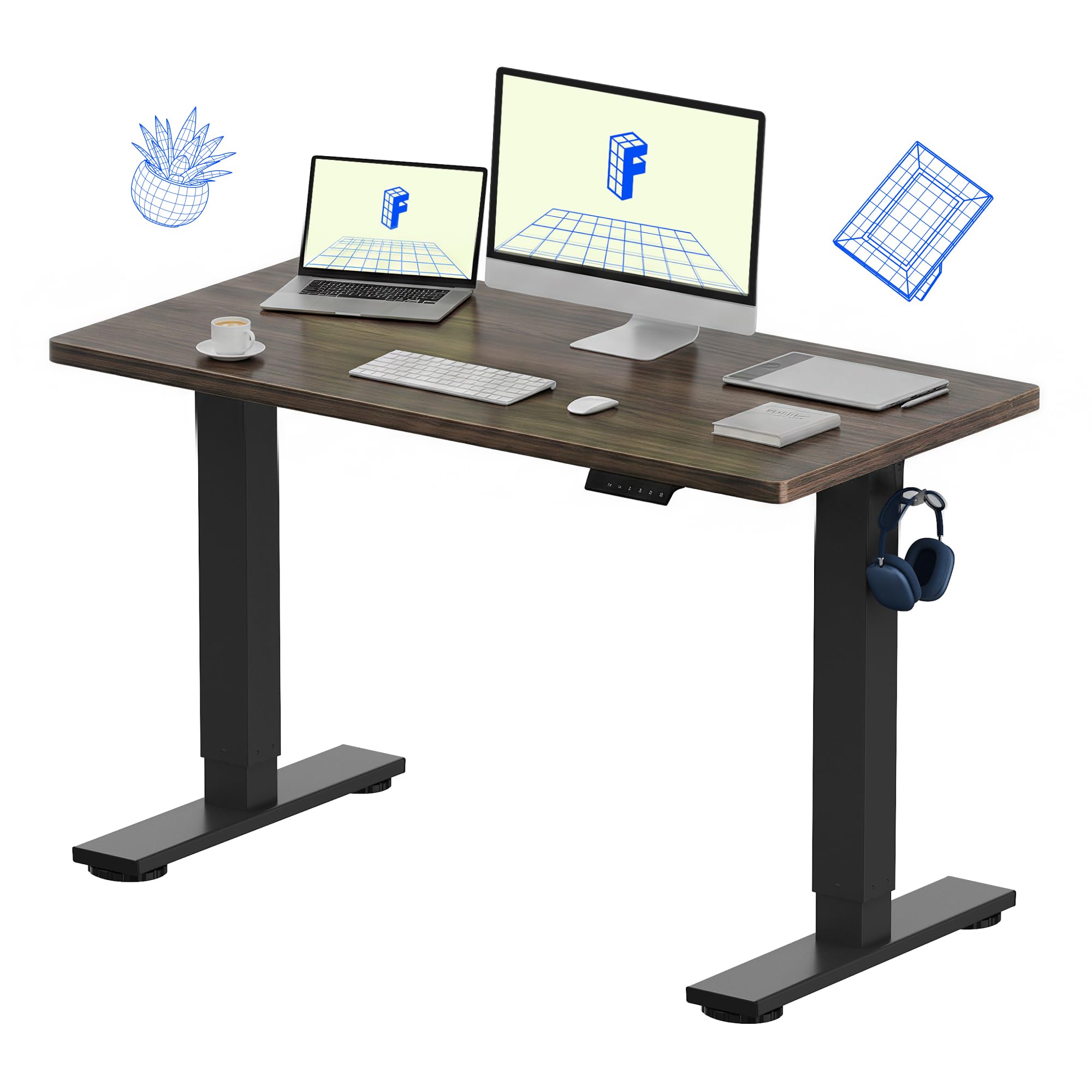
- The desk has a seamless desktop for a home office or creative studio.
- Four memory presets support switching between height settings.
- The electric height adjustment ranges from 28.1 to 45.7 inches.
Best Gift For: A founder furnishing a home office who wants the option to work seated or standing.
SKYDUE 360 Degree Rotating Desk Organizer with 5 Slots
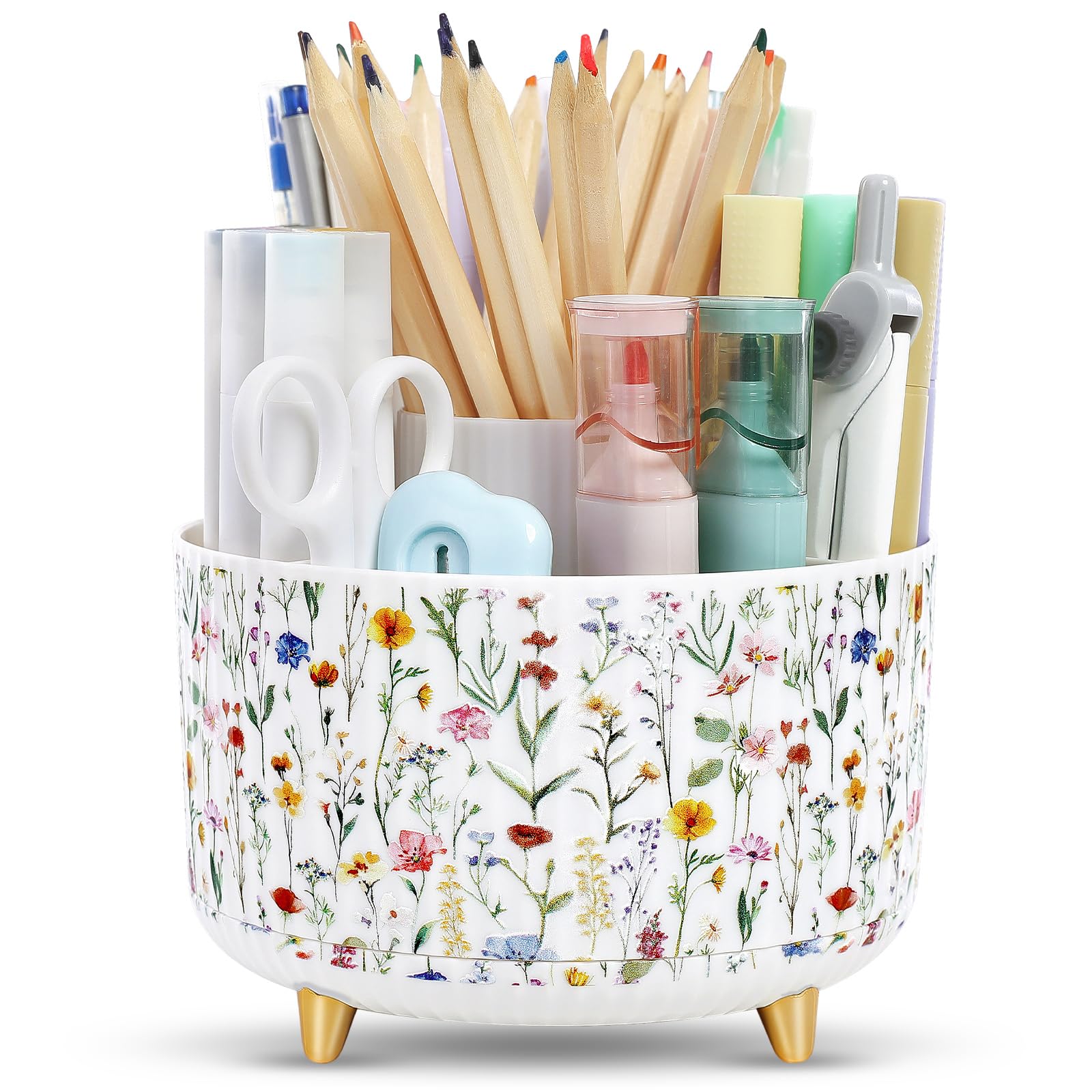
- Five compartments offer storage without taking up much desktop space.
- The holder rotates 360 degrees for easier access to writing tools.
- It can organize everyday office supplies and small items.
Best Gift For: A founder who wants pens and small office supplies within easy reach.
VASAGLE 2-Drawer Mobile File Cabinet with Open Shelf
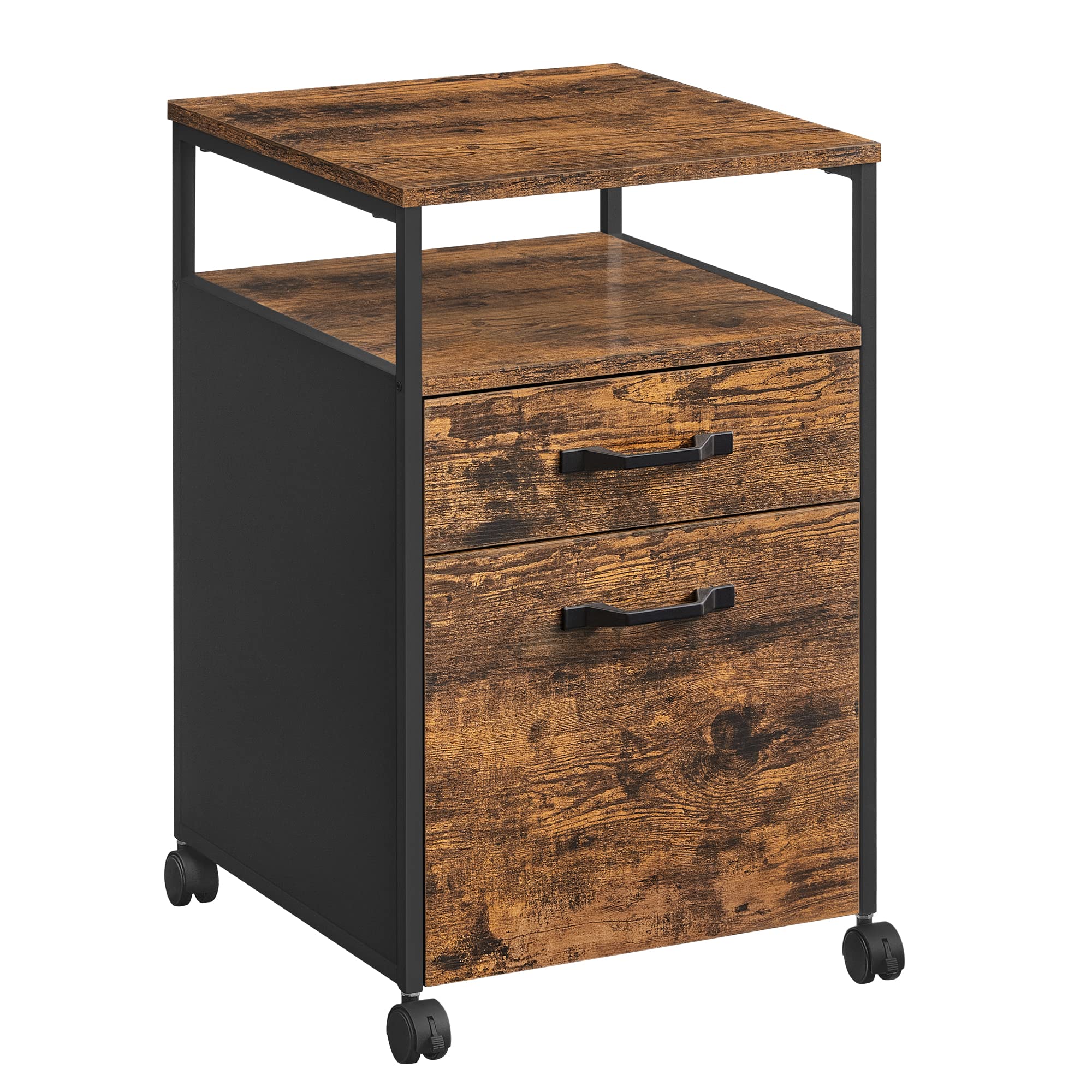
- A bottom drawer holds A4 or letter-size files, with a separate drawer for supplies.
- The open shelf provides space for notepads or printer paper.
- Four swivel wheels let it move around, and two can lock in place.
Best Gift For: A founder who needs a mobile place to organize files and office supplies.
Choose gifts for startup founders around the workday
When choosing gifts for startup founders, consider where the person spends most of their working hours. A founder who works from a kitchen table may appreciate help organizing the surface, while someone building a dedicated office might get more use from a larger workspace upgrade.
The best fit depends on their setup and habits.
Think about the task they return to every day. A planner can help someone who likes mapping goals and priorities on paper; a microphone suits a founder who records interviews or presentations.
If they already have a preferred workflow, choose a tool that complements it instead of asking them to change how they work.
For a remote founder, consider whether a gift supports focused work or smoother transitions between tasks. Desk organization may help keep essentials accessible, while a laptop stand or adjustable desk can suit someone who regularly changes posture.
A practical choice should match the room, equipment, and routine they already have.
Balance usefulness with the workspace budget
Set a qualitative budget before shopping, then compare what each kind of gift adds. Small desk accessories are easier to fit into an existing setup; larger furniture and networking equipment call for more planning.
Check actual prices at purchase time, since prices can change, and avoid stretching for a category that does not fit the recipient’s needs.
A useful way to weigh options is to consider how often the person would use the item and what else they need to make it work. A stand or desk may depend on room dimensions and their existing laptop or monitor arrangement.
For electronics, compatibility with their devices and internet setup matters as much as the feature list.
If you are buying with a team, a shared contribution can make a substantial workspace item more attainable. For an individual gift, a lower-commitment pick can still feel thoughtful when it clearly suits the founder’s daily routine.
Keep the choice focused on usefulness rather than the size or price of the package.
Personalize gifts for startup founders
Personalization for gifts for startup founders can come from noticing the way they work. If they plan by hand, add a short note with encouragement for the next milestone; if they record audio, mention a project or show they are preparing.
That context makes a practical object feel selected for a person, not just a job title.
You can also make the gift feel specific through presentation. Pair a desk item with a handwritten message about the habit or workspace it supports, or wrap it in a way that is easy to open between meetings.
Keep any added extras simple and relevant, so the main gift remains useful rather than adding clutter.
For a team gift, invite colleagues to write brief notes with wishes for the founder’s next chapter. If the recipient is a close friend or family member, a message can acknowledge the effort involved in starting a company without turning the occasion into another work assignment.
The thought behind the gesture matters more than business-themed packaging.
Make a practical choice for the recipient
Before ordering, check current product details against the recipient’s setup. For a desk or stand, measure the available area and consider how the person uses their laptop, screens, and accessories.
For a router, microphone, or headset, confirm that it works with the devices and connections they already own.
Think about whether the item needs assembly, setup, or a change to the workspace. A large piece of furniture may require room to build and position it, while an electronic gift may need configuration.
If the founder is in a particularly busy stretch, a simpler gift could be easier to receive and put to use.
When the right choice is uncertain, ask someone who shares the workspace or knows the recipient’s equipment. A discreet check can clarify practical needs without spoiling the surprise.
If that is not possible, include a gift receipt when available and choose a product category that leaves room for personal preference.
Last-minute buying advice for founders
For a last-minute gift, first check current delivery estimates and whether the item can arrive in time. Delivery timing depends on location and availability, so verify it before placing an order.
If shipping is uncertain, a small, easy-to-wrap desk gift may be more practical than a bulky office upgrade.
Check the exact model, dimensions, and compatibility details before buying, especially for workspace equipment and electronics. Compare those details with what the recipient already owns, and make sure any needed accessories or setup steps are understood.
Avoid assuming that a product will fit a particular desk or connect to a particular system.
A thoughtful note can carry the occasion even when you have limited time to shop. Explain why you chose the item in one or two specific sentences, such as how it might help with planning, recording, or keeping the workspace organized.
That small personal touch gives the gift context without making claims about how the recipient will use it.